Introduction
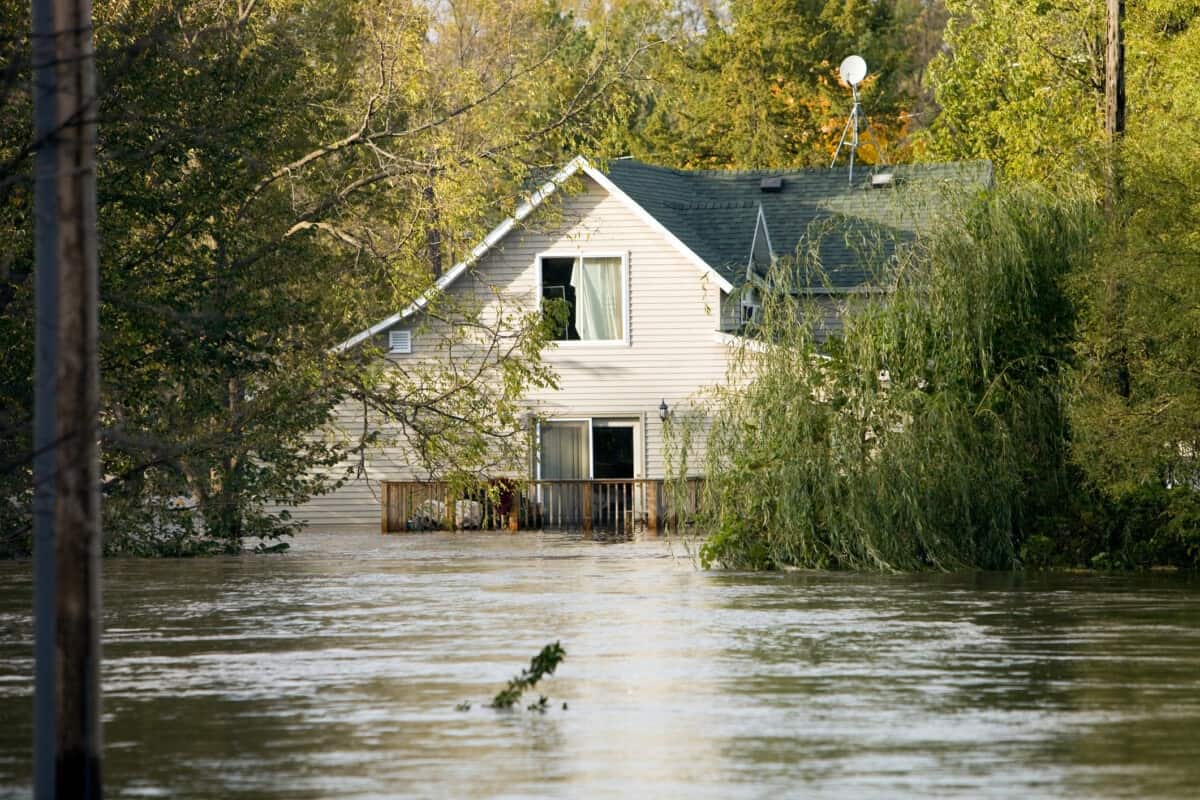
Severe weather can leave a home wet, unsafe, and stressful within hours. Floors swell, walls trap moisture, and air quality often worsens before damage is fully visible. A clear response helps homeowners protect health, limit repair costs, and shorten disruption. This guide explains what happens after storm water enters a property, which early steps matter most, and how a structured recovery process supports safer, faster, and more complete results.
First Response
The first priority is safety. Electricity, gas, and contaminated water can turn a damaged house into a hazardous space. Before anyone enters, the property should be checked for visible structural issues, live power risks, and sewage exposure. Quick photos also help document loss.
Why Timing Matters
After severe rain, moisture spreads into underlay, plaster, timber, and insulation faster than many owners expect. That is why many households research Flood Restoration in Adelaide soon after water enters living areas, carpets, or storage spaces. Early action reduces hidden dampness, lowers mould risk, and improves the chances of saving flooring, soft furnishings, and interior finishes before deeper deterioration begins.
Stop Further Spread
Water should be removed as soon as conditions are safe. Every extra hour can increase swelling, staining, and odour. Homeowners should move portable items, lift curtains away from wet surfaces, and place foil or blocks under furniture legs. These small actions help limit secondary harm.
Assessing Hidden Moisture
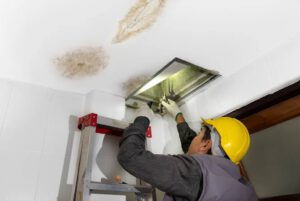
Visible pooling tells only part of the story. Storm water often travels behind skirting boards, beneath carpets, and inside wall cavities.
What technicians check
Professionals usually inspect humidity, surface temperature, and moisture depth. Thermal imaging and moisture meters can show trapped dampness that towels or fans cannot reach.
Drying Requires Control
Drying is not just about heat. Good results depend on airflow, extraction, and humidity management working together. Dehumidifiers pull moisture from the air, while air movers support evaporation from surfaces. Without control, rooms may feel dry even though subfloors and wall linings still hold water.
Cleaning After Contact
Floodwater can carry soil, chemicals, and bacteria into the home. That means cleaning must match the water source. Rain entry from a roof leak differs from overflow containing waste. Carpets, rugs, and upholstery may need washing, sanitising, or removal, depending on contamination levels and material condition.
Materials That Need Close Attention
Some building materials recover well, while others fail quickly after saturation.
Higher-risk items
Particleboard cabinetry, laminate edges, insulation batts, and swollen door frames often need closer review. Timber can sometimes be saved with careful drying, yet trapped moisture may still cause warping, staining, or odour if treatment starts too late.
Mould Prevention
Mould can begin growing within two days in warm, damp conditions. Fast extraction lowers that risk, though prevention also depends on full drying and proper cleaning. Homeowners should watch for musty smells, spotting on painted surfaces, and persistent condensation. Those signs may suggest concealed moisture remains.
Insurance And Records
Accurate records support smoother insurance discussions. Clear photos, a room-by-room list of damaged items, and notes on rainfall timing can strengthen a claim. Receipts for urgent work also matter. If temporary relocation is needed, accommodation and replacement essentials should be tracked from the first day.
Choosing Professional Help
A reliable provider should explain each step, expected drying times, and whether equipment must stay overnight. Homeowners benefit from plain language, written scope details, and moisture readings taken during progress checks. Good communication matters because visible dryness alone does not confirm that a property has fully recovered.
Conclusion
Flood recovery works best when homeowners act early, document conditions well, and focus on full drying rather than surface appearance alone. Severe weather may pass quickly, yet moisture can remain active inside carpets, walls, and subfloors for days. With a careful plan, clear records, and the right technical support, households can reduce health concerns, avoid larger repair bills, and return their homes to clean, stable, and comfortable living conditions sooner.